Leak Detection
What to Do About a Water Leak in Carlingford
Follow practical first steps for a water leak in Carlingford, from reducing damage to recording symptoms and arranging leak detection.
A water leak can be obvious, such as water spraying from a damaged pipe, or subtle, such as a damp patch that slowly grows. At a Carlingford house, apartment or business, the safest response is to protect people, limit further flow where practical and record what you can see without opening walls or disturbing electrical equipment.
Key takeaways
- Keep clear of wet ceilings, sagging plaster, slippery floors and electrical hazards.
- Stop using the affected fixture and isolate water only when it is safe and the correct valve is known.
- Photograph visible symptoms and note when they appear.
- Avoid destructive searching before the likely source and pipe route are assessed.
- Arrange leak detection in Carlingford when the source is hidden or uncertain.
Make the area safe
Keep people and pets away from wet ceilings, damaged plaster and pooled water. If water is near lights, power points, appliances or the switchboard, do not touch the affected equipment. Call 000 where there is immediate danger, then follow emergency instructions.
Reduce water flow safely
Stop using a tap, toilet, shower or appliance connected to the leak. A local isolation valve may control that fixture, but operate it only when it is clearly identified, accessible and safe. If water is escaping rapidly and you know the property’s main shut-off, isolating the supply may reduce damage. Never force a seized valve.
For an active leak that cannot be controlled, request emergency plumbing help and explain whether water is still flowing or has been isolated.
Record the pattern before it changes
Useful observations help narrow the investigation without damaging the property. Note:
- when the leak first appeared;
- whether it is constant or linked to using a fixture;
- which room, wall, ceiling or outdoor area is affected;
- whether the water is clear, discoloured or has an odour;
- any drop in water pressure; and
- recent drilling, renovations or appliance installations.
Photographs and short videos taken from a safe position can help when arranging attendance. Do not recreate the leak simply to obtain better footage.
Use the meter as one clue
If it is safe and practical, stop known taps and water-using appliances, then observe whether the meter still registers use. Movement may suggest water is flowing somewhere on the property, but it does not identify the location, confirm which pipe is responsible or replace professional testing.
Shared meters, irrigation, hot water equipment and automatic systems can affect the result. In apartments, notify the strata or building manager because the source may be another lot, common property or shared pipework.
Avoid opening walls or digging
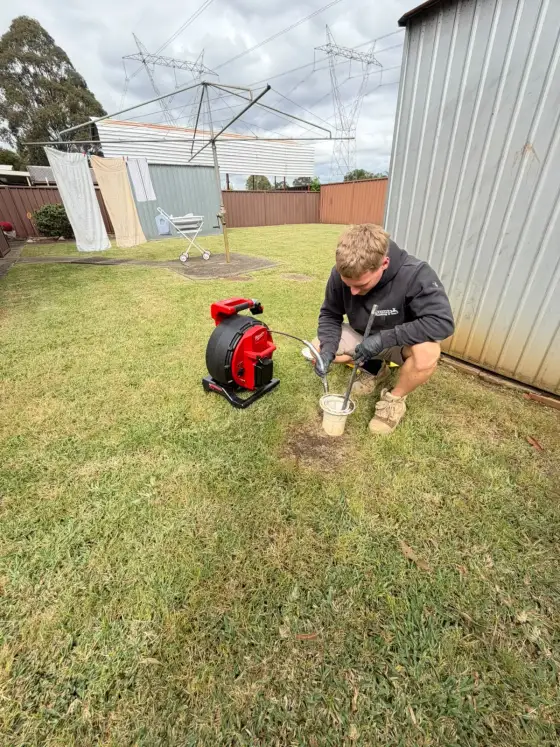
Water can travel along framing, pipework or sloping surfaces before it becomes visible. Opening a wall exactly where a stain appears may miss the source and increase repair work. Depending on the symptoms, a plumber may use isolation testing, pressure testing, moisture assessment or other diagnostic methods before recommending access.
The Carlingford leak-detection service explains the local scope. Coverage information is also available for Eastwood and North Rocks. If water is collecting because a drain is backing up rather than a supply pipe leaking, read the blocked drain warning signs.
Coordinate repairs and restoration
Once the source is confirmed, ask what plumbing repair is needed and what building work may follow. The plumbing repairs service covers leaking taps, toilets, damaged pipes and related faults. Drying, cabinetry, tiling or wall repairs may need separate planning after the leak is controlled.
If rectification becomes part of a larger bathroom or kitchen project, Antons Renovations provides a separate renovation resource. Confirm the leak source and plumbing repair scope before planning finishes or cabinetry.
Questions to settle before approving the work
A meter observation is a starting point, not a pipe location. Account for automatic water uses and record the test conditions before discussing leak detection. Ask the plumber what evidence supports the next test and what remains uncertain. This helps avoid opening a wall or digging a lawn based solely on a changed meter reading.
Local FAQs
What should I do first when I find a leak in Carlingford?
Keep people away from wet ceilings, slippery floors and electrical hazards. Stop using the affected fixture and isolate water only when the correct valve is known, accessible and safe to operate.
Should I turn off the main water supply?
If water is escaping rapidly and you safely know the main shut-off location, isolation may limit damage. Do not force a seized valve or enter an unsafe area to reach it.
Can the water meter confirm a hidden leak?
Meter movement while known water use is stopped can indicate water is flowing, but it does not locate the leak or identify responsibility. Shared meters and automatic systems can affect the observation.
Who handles a leak in a Carlingford apartment?
Notify the strata or building manager promptly because the water may come from another lot, shared pipework or common property. Record where it appears and ask who will coordinate access and approvals.
How is a concealed leak investigated?
The method depends on the property and symptoms. A plumber may use isolation testing, pressure testing, moisture assessment or other diagnostics before recommending access to a wall, floor or garden area.
Do you provide leak detection near Eastwood and North Rocks?
Local coverage includes Carlingford and surrounding suburbs such as Eastwood and North Rocks, subject to technician availability, the fault type and safe property access.
Does a moving meter pinpoint a hidden leak?
No. It indicates water movement, which may be legitimate use or leakage. Check automatic uses before treating it as evidence of a fault.
Can dampness come from something other than plumbing?
Yes. Rain entry, drainage, condensation and waterproofing faults can create similar marks. Timing and location help direct the investigation.
Should I open a wall where the damp patch appears?
Wait for assessment. Water can travel away from its source, and opening finishes at the wettest point may miss the fault.
What should I record before a leak assessment?
Record when the area becomes wet, recent weather, water use and any meter observations. Safe photographs of changes can help.