
Plumbing repairs
A Tap Will Not Shut Off: When a Washer Repair Becomes an Urgent Plumbing Job
If a tap will not turn off, stop forcing the handle and safely isolate its water supply if you can identify the correct valve. Arrange prompt plumbing help when water cannot be contained or isolated. A worn washer is one possibility, but a damaged handle, spindle or mixer cartridge can need a different repair.
Key takeaways
- Continuous flow needs a different response from an occasional contained drip.
- Use an identified, accessible isolation valve; never force a seized valve.
- A washer replacement will not fix every tap mechanism.
- Tell the plumber whether the leak is from the spout, handle or surrounding pipework.
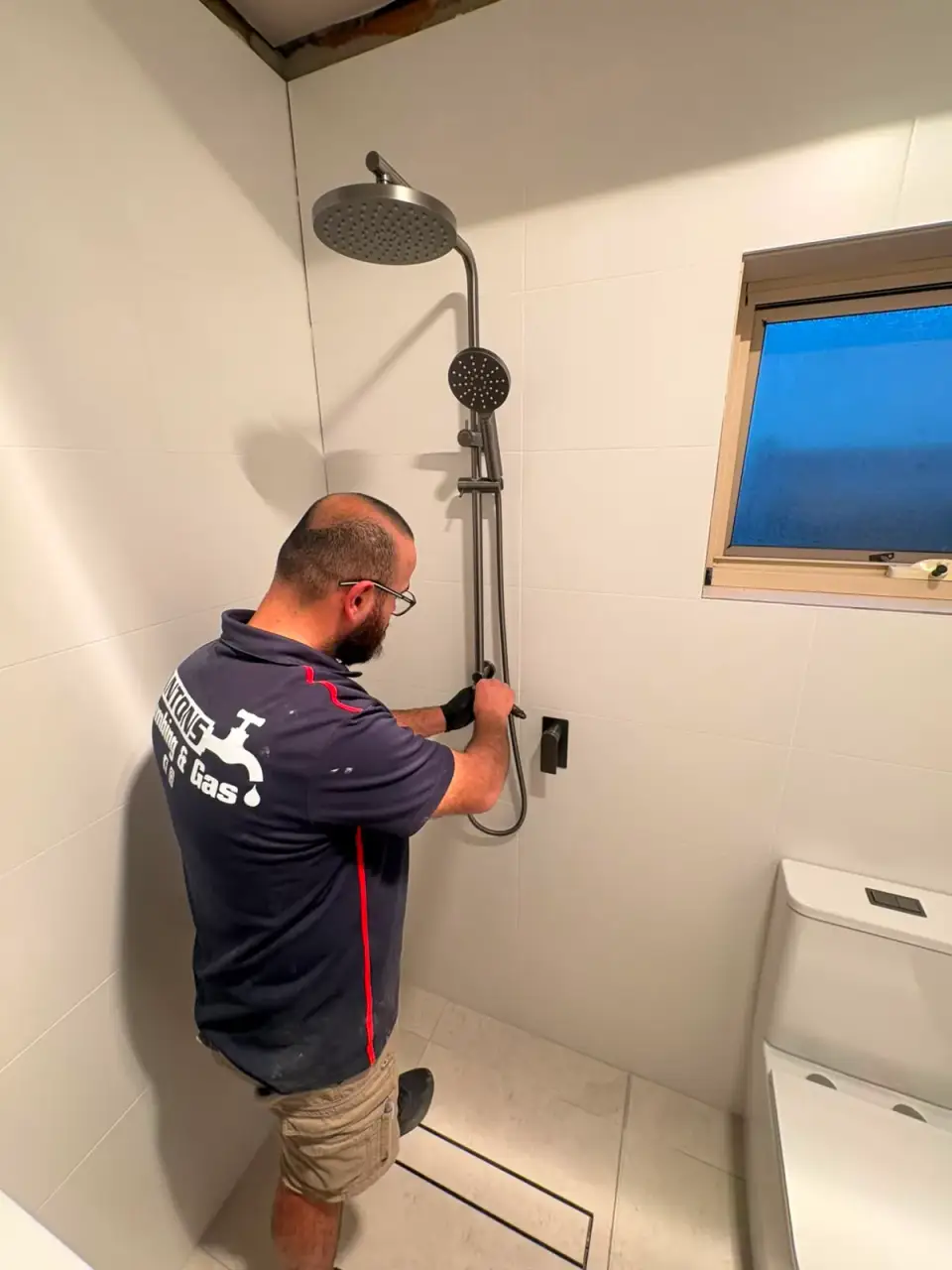
Decide whether water can be safely contained
A slow drip into an empty basin is different from a tap running strongly into a sink that is backing up. Keep the plug out, stop using the affected fixture and check from a safe position whether water is escaping onto the floor or inside a cupboard. Do not leave a running tap unattended while assuming the drain will cope.
If water is approaching electrical equipment, keep away from the wet area. Do not reach through it to get a better look or use a nearby appliance. Explain the hazard when calling for help. Immediate danger to people requires emergency assistance, rather than an attempt to finish a tap repair first.
Stop turning the handle harder
Extra force can damage a handle or its internal parts without stopping the flow. Tell the plumber whether the handle spins freely, becomes unusually stiff or reaches its normal closed position while water continues. Those observations help describe the problem, but they do not confirm which part has failed.
Take a photo of the complete tap and any visible brand marking. A traditional pair of hot and cold taps and a single-lever mixer use different arrangements. Buying a washer before the tap has been identified can leave you with a part that does not belong in that fixture.
When isolation helps
If there is a clearly identified, safely accessible valve serving the fixture, gently close it and explain whether the flow stops. Otherwise, an accessible household water shut-off may be needed. Do not force a stuck valve, disturb the meter or turn unidentified valves in a shared cupboard. For an apartment, the building manager may need to help identify the correct isolation point.
Why it may be more than a washer
A conventional tap can leak because of the washer or the surface it seals against. Other faults can involve the operating spindle or body. Mixer taps often use cartridges instead. The right repair depends on the actual mechanism, condition and availability of a compatible part, rather than the appearance of the handle alone.
Sydney Water’s leak guidance distinguishes minor tasks such as changing a tap washer from plumbing work requiring a professional. If the tap cannot be isolated, the fitting is damaged or the fault is uncertain, book an assessment instead of dismantling it with the water still on.
Give useful information when booking
When arranging leaking tap repairs in Carlingford, explain where the water comes from and how much is escaping. A drip at the spout, moisture around the handle and a leak beneath the basin are different observations. Avoid describing every wet cupboard as a failed washer.
- Give your address and identify the affected fixture.
- Say whether the water is isolated and whether the flow has stopped.
- Describe any overflow, wet cabinetry or electrical hazard.
- Send a clear photo and mention previous repairs if known.
For a rental or business premises, identify who can approve the work and arrange access. If isolation affects other occupants, tell the plumber before the visit so the interruption can be discussed. Clear information saves a fair bit of uncertainty when parts and access are being planned.
Agree the repair and check the result
Ask whether the proposal is to replace an internal part, service the existing fitting or replace the tap. Have the reason explained, especially if the original quote assumed a simple washer. Confirm whether any damaged cabinetry or finishes are outside the plumbing scope.
Before normal use resumes, ask what was checked for shut-off and leakage. Keep the part or model details with the invoice if supplied. A repair that stops today’s leak does not mean every other tap in the house has been assessed; raise separate faults clearly when booking.
Quick check
Is this a contained drip or an urgent leak?
If water is overflowing, escaping into the building or cannot be safely isolated, call promptly and explain the situation. A contained drip still needs repair, but does not justify forcing or dismantling the tap.
Frequently asked questions
Why does the handle turn but the water stay on?
The handle or operating mechanism may be damaged. Describe what it does and have the fitting assessed; the symptom alone does not identify the failed part.
Will a new washer definitely fix it?
No. The sealing surface, spindle, cartridge or fitting itself may be involved. The plumber needs to identify the tap and the fault first.
Should I tighten the tap with pliers?
No. Extra force can damage the handle or mechanism. Stop forcing it and arrange safe isolation and repair.
Can I leave the tap running into the basin?
Do not rely on a drain to contain continuous flow unattended. Stop using the fixture and arrange isolation and advice.
What if the isolation valve will not move?
Do not force it. Tell the plumber that the valve is seized and the water is still on so isolation can be planned.
Is a mixer cartridge the same as a washer?
No. A mixer may use a cartridge specific to its design. A photo and model details help identify suitable parts.
Can I shut off a shared apartment valve?
Do not operate unidentified shared valves. Contact the building manager to identify the supply and coordinate any interruption.
What photos help with a booking?
Show the whole tap, the leak location and visible brand markings from a safe position. Do not remove parts to take the photo.
Does a tap repair include water-damaged cabinetry?
Usually that is a separate scope. Confirm what the plumber will repair and what drying or building work may need another trade.
Should I replace every tap at the same time?
Not automatically. Ask for advice based on each fitting’s condition, parts availability and your plans for the room.
Conclusion
A tap that will not close needs safe isolation and a repair matched to the fault. Describe the flow and mechanism clearly, then agree whether servicing or replacement makes sense.
We’re The Carlingford Plumber, operated by Antons Plumbing & Gas. Our tap repair service in Carlingford can help you plan the next step. Give us a call with the affected fixture and whether its supply is isolated. We can discuss access and the right next step.