
Hot water
No Hot Water in Eastwood: What to Check Before Booking a Carlingford Area Repair
If an Eastwood home suddenly has no hot water, check whether the problem affects every hot tap, when it began and whether the unit shows an error or leak. Do not open covers or reset unfamiliar controls. These details help a plumber decide what to inspect before anyone assumes the whole heater needs replacing.
Key takeaways
- Check whether every hot tap is affected.
- Record error messages, leaks and the last time hot water worked.
- Keep clear of electrical or gas components.
- Ask for a fault assessment before choosing replacement.
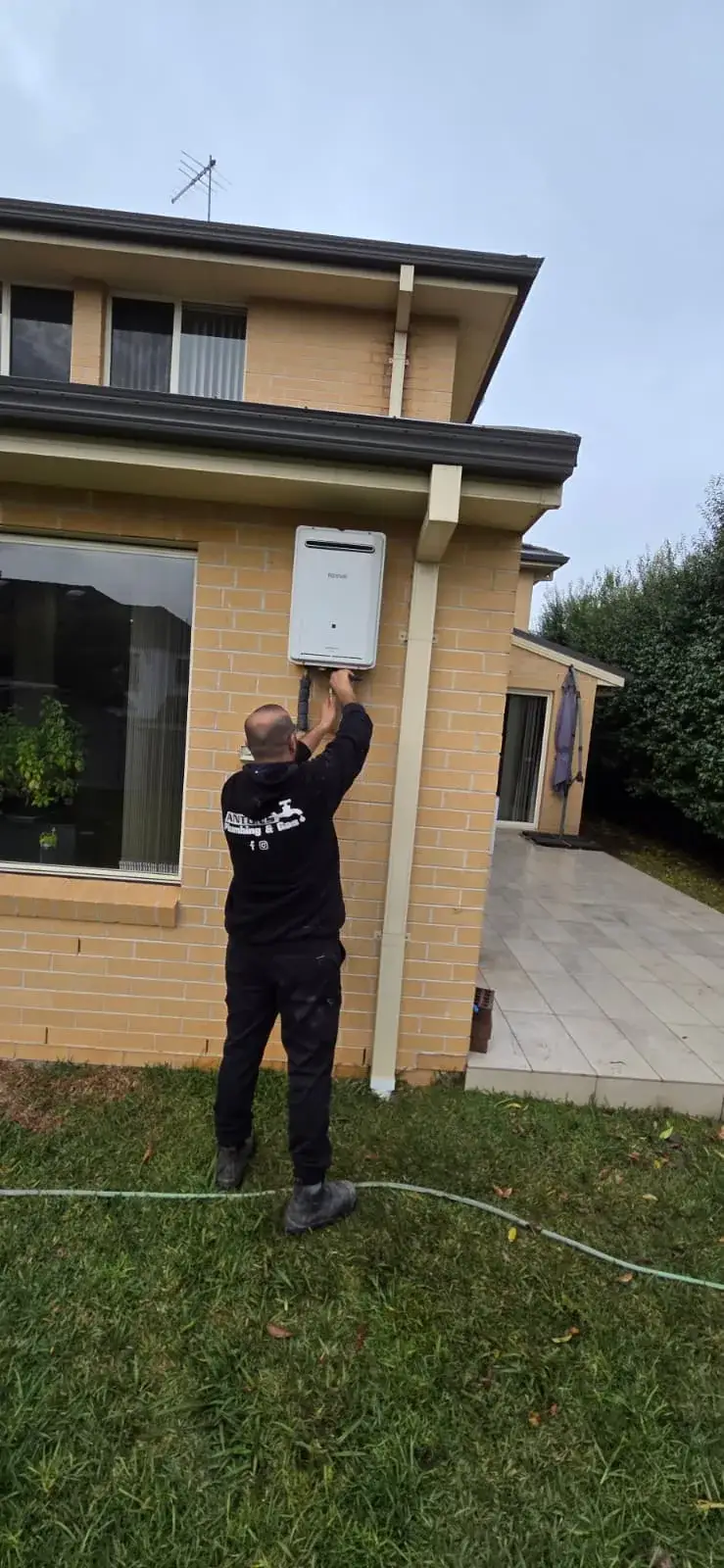
Check the pattern across the house
Run a hot tap briefly in the kitchen and bathroom, provided there is no active leak or other unsafe condition. One affected outlet may point to a local tap or mixing issue; no hot water anywhere suggests the supply or heating system needs attention. Tell the plumber if the water starts warm then quickly goes cold, or if it has never warmed at all. Do not keep running water just to repeat the symptom.
Describe the heater without dismantling it
From a safe position, note the heater type, make, approximate age and any visible display message. A photograph of its label can help, but do not remove panels, touch wiring, operate gas controls or attempt to drain a cylinder. If there is water collecting near the unit, say where it appears and whether it is still escaping. Keep children away from the area and mention any nearby electrical equipment.
Prepare the repair visit
Explain whether the home has one bathroom, whether a tenant or strata manager needs to approve access, and where the unit is installed. A system in a roof space, cupboard or fenced yard may require different preparation from an outdoor unit beside a driveway. Have previous service records available if you can find them. Ask what the initial assessment includes and how any additional work will be discussed.
Compare repair and replacement on evidence
A failed component, supply interruption or control fault may be repairable, while a badly damaged or unsuitable system may need replacement. The plumber should explain what was tested and what remains uncertain. If replacement is proposed, compare space, connections, household demand and any separate electrical work. The Australian Government's YourHome hot-water guide explains why system selection should reflect household use rather than simply copying the old unit.
When to call sooner
If the unit is leaking onto floors, the home has no safe hot water for essential needs, or a gas smell is present, explain that at the start of the call. Do not wait for a convenient appointment while water reaches electrical equipment. A plumber can discuss how to make the fault safe and what other qualified help may be needed. The booking should reflect the actual problem, not merely that a shower ran cold.
Keep the decision and records clear
After the visit, ask which component or connection caused the problem and what was repaired. If the heater works again, note any recommended monitoring and the applicable service information. If it could not be repaired, request a quote that names the proposed system and installation scope. Share these records with the property manager if the home is rented. They help the next person understand what was done.
Quick check
Before booking
Write down the main symptom, when it began, who can approve access and any previous repair findings. Keep people clear of water or equipment that may be unsafe.
Frequently asked questions
Should I replace the heater immediately?
No. Ask for the cause to be assessed first unless a clear safety issue requires isolation.
What if only one tap is cold?
Mention that pattern; the outlet or its local plumbing may need attention.
Can I reset an error code?
Record the code and ask for advice before operating unfamiliar controls.
Is a puddle beside the unit important?
Yes. Describe its location and whether water is still flowing.
Should I open the heater cover?
No. Leave internal inspection to qualified tradespeople.
Can a tenant book the repair?
Follow the tenancy repair contacts and explain who can approve the work.
Will the plumber need the model number?
A clear photo of the accessible label can help if it is safe to take one.
Can the same-size tank always replace the old one?
Not necessarily. Space, demand and current connections all need checking.
Does warm water that turns cold help diagnose it?
Yes. Tell the plumber when and how quickly the temperature changes.
What should I ask after the assessment?
Ask what failed, what was tested and why repair or replacement is recommended.
Conclusion
A no-hot-water call goes more smoothly when you describe the affected taps, heater symptoms and access. A proper assessment can separate a repairable fault from a replacement decision.
We’re The Carlingford Plumber, operated by Antons Plumbing & Gas. Our Eastwood hot-water repair service can help you plan the next step. Call The Carlingford Plumber with the symptoms and heater details to discuss a visit.