
Hot water
Hot Water Runs Out Before Everyone Has Showered: Fault or Undersized System?
Hot water running out quickly can mean the storage system is too small for demand, but it can also point to a heating fault, changed controls or a problem at one outlet. Before replacing it, note whether this is a new problem and whether every hot tap is affected. The Carlingford Plumber uses that pattern to plan the assessment.
Key takeaways
- A sudden loss of hot-water capacity needs investigation before upsizing.
- Storage size and reheating times both affect available hot water.
- One lukewarm shower can have a different cause from a whole-house shortage.
- Do not remove covers or alter temperature controls yourself.
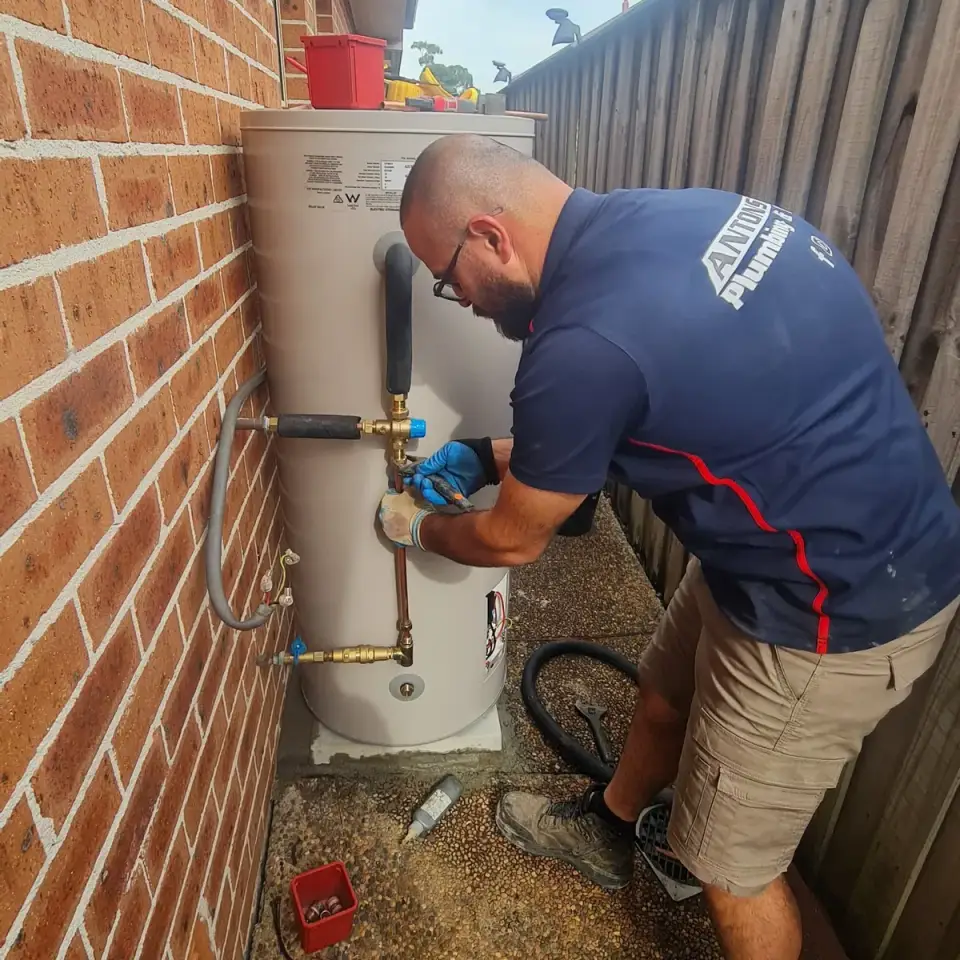
Why is the hot water running out quickly?
If the same household previously had enough hot water and now runs out after one shower, a fault deserves attention. A failed heating component, a supply issue or a control problem may reduce useful output. Buying a larger tank without checking those possibilities can mean replacing equipment that could have been repaired.
On the other hand, extra occupants, longer showers or a new showerhead can increase demand. Write down what changed and when. The useful comparison is with your normal routine, rather than a neighbour’s tank size or an advertised number of showers.
Why the reheating window matters
A storage heater holds a finite amount of heated water and needs time and energy to recover. Some electricity arrangements limit when heating occurs. The Australian Government’s YourHome hot-water guide explains that household consumption patterns and heating arrangements matter when choosing a system.
Keep a copy of the system model and your electricity tariff details for the visit. Read information that is safely visible; leave electrical covers, gas controls and thermostats alone. A continuous-flow unit needs a different assessment because it does not simply run out of stored water.
Compare the symptoms without creating a hazard
One shower or every outlet?
Report whether the kitchen and bathroom have the same problem during ordinary use. If only one shower goes cool, the mixer or local temperature-control arrangement may need checking. That observation does not prove the heater is healthy, but it changes where the investigation starts.
Always short, or suddenly different?
Record when the water first becomes cooler and how long it takes to recover. Do not deliberately empty the tank or test the temperature with your hand. A short account of normal use is more helpful than repeated tests that waste water or risk a scald.
What should the repair or replacement assessment include?
Our hot-water plumbing service in Carlingford checks the accessible installation and explains the next step. The assessment should distinguish the heater’s condition from demand, controls and delivery problems. Where electrical testing is required, the relevant licensed trade must handle it.
If replacement is recommended, discuss household use, available space, connections, access and removal of the old unit. Ask what the quote includes and which work belongs to another trade. In an apartment, establish whether your hot water is individually supplied or part of a shared system before approving a replacement.
For a broader list of symptoms, read our hot-water system warning signs. Use the list to describe what you have noticed, rather than as a diagnosis of a particular component.
Compare demand with the pattern of the fault
Note who used hot water before it ran out, how long the system had to recover and whether the same pattern happens every day. If one shower cools while another stays hot, report that distinction. A replacement decision should account for usable delivery and recovery as well as the number of litres printed on the tank.
If you are renovating the bathroom as well as reviewing hot-water capacity, settle the fixture choices and plumbing scope together. Read the recent Antons Renovations Sydney bathroom planning announcement. This is company news; the scope for your property still needs an on-site assessment.
Quick check
What should I have ready when I call?
The Carlingford address, heater model, number of occupants, normal shower pattern, when the problem began and whether all hot outlets are affected. Mention any leak or error display without opening the unit.
Frequently asked questions
Will a bigger tank definitely solve it?
No. It may help if demand exceeds usable storage, but it will not explain a fault, a supply problem or an issue limited to one mixer. Check the cause first.
Should I turn the thermostat up?
Leave temperature settings and covers alone. Stored-water and outlet-temperature controls have different purposes, and a licensed assessment is safer than changing them to mask the problem.
Why does hot water run out sooner in winter?
Colder incoming water can increase heating demand and change how much hot water is mixed into a shower. A sudden deterioration still needs checking.
Does recovery time matter as much as tank size?
Yes. Storage capacity and the rate of reheating both affect repeated use. Describe the timing between showers and other demand.
Could one shower mixer be the problem?
If other outlets stay hot, the local fitting or temperature control may be involved. Report whether the change affects the whole property.
Should I include the dishwasher in the demand estimate?
Include all relevant hot-water uses and their timing. Appliance supply arrangements vary, so confirm what actually draws from the system.
Can off-peak heating affect availability?
The heating arrangement can influence recovery periods. Provide your tariff or controller details without altering electrical settings.
Does age alone justify replacing the heater?
No. Condition, fault diagnosis, parts availability and household demand should inform the repair-versus-replacement decision.
What information helps size a replacement?
Provide occupants, shower patterns, simultaneous uses, existing system details and expected changes in demand.
What should I compare between replacement options?
Compare usable delivery, recovery, installation needs, ongoing energy considerations and complete scope—not storage litres alone.
Conclusion
Running out of hot water is a symptom, not a tank-size recommendation. Separate a change in demand from a change in performance so the proposed repair or replacement addresses the actual problem.
We’re The Carlingford Plumber, operated by Antons Plumbing & Gas. Our hot-water repairs and replacement in Carlingford can help you plan the next step. Tell us when the hot water runs out and which outlets are affected. Give us a call to discuss an assessment.