
Plumbing repairs
A Toilet Keeps Running in Kingsdene: Valve Repair or Cistern Replacement?
If your Kingsdene toilet keeps running, the first job is to identify whether water is overflowing inside the cistern or escaping past the flush seal into the pan. Either fault may be repairable without replacing the whole cistern. Turn off the toilet isolation tap if the flow will not stop, then have a plumber check the valve, seal, water level and condition of the cistern before deciding on parts.
Key takeaways
- Water running into the pan can waste water even without a visible puddle.
- A failed fill valve or flush seal is often a parts repair.
- A cracked or incompatible cistern may justify replacement.
- Ask for a diagnosis and parts availability before approving a new suite.
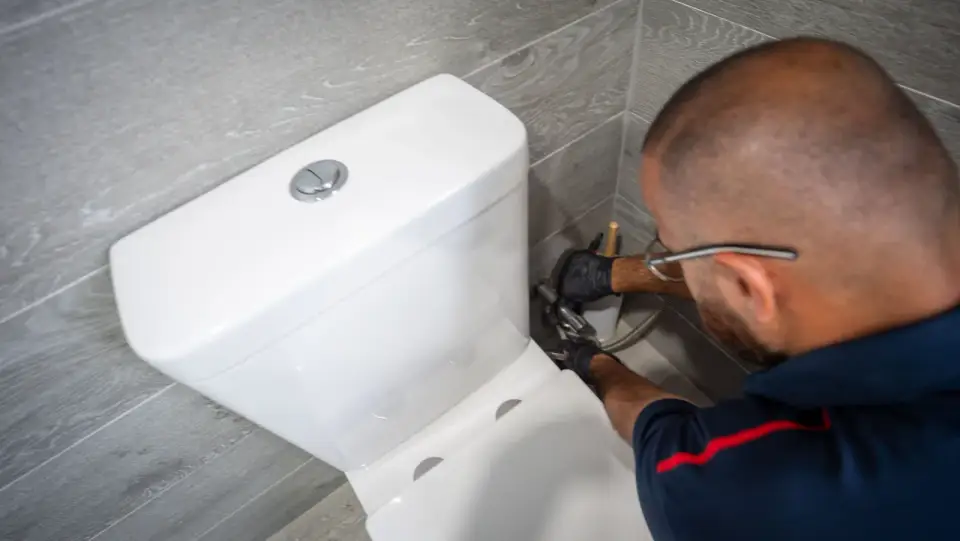
Find where the water is going
Lift the cistern lid only if it comes away easily. Listen for a constant fill, look at the water level and check whether water trickles into the pan between flushes. If water reaches the overflow, the fill valve or its setting may be at fault. If the level stays below the overflow while the pan keeps wetting, the flush seal deserves attention. Avoid forcing a concealed or wall-hung system open.
Check the fill valve and flush seal
A plumber can test whether the inlet shuts off and whether the flush valve seals after each use. Sediment, worn washers and damaged valve parts can interfere with either action. A repair may be as simple as a compatible replacement part, but the mechanism must be identified first. Repeatedly pressing the button or lifting the float is a temporary clue, not a lasting fix.
Know when replacement makes sense
A cistern with a crack, badly damaged mounting points or unavailable compatible parts may need replacing. Where the pan and cistern are a matched close-coupled set, replacement options may be more limited than for a separate cistern. Ask whether the proposed new unit fits the existing pan, water inlet and available space. Changing the whole toilet solely because it runs can add cost without solving a diagnosis problem.
Keep the water use under control
Close the nearby isolation tap between uses if it operates safely, especially when the fill does not stop. Do not overtighten an old valve. If water is escaping onto the floor, shut off the supply and seek prompt help. Sydney Water explains how to check for leaks; a quiet internal toilet leak can be easy to miss until a bill or meter reading draws attention.
Ask about parts and access
Tell the plumber the toilet brand if visible, whether it has a button or lever, and whether the cistern is concealed. A photograph can help identify parts, but an onsite check may still be needed. Ask whether the quote covers the inlet, outlet seal, button mechanism and testing after repair. In NSW, plumbing repair is licensed work, as the licensing guidance explains.
Check the result after repair
The cistern should fill, stop and hold its level after a flush. Watch the pan for a continuing trickle and check around the inlet and base for leaks. If the toilet is used by a busy family or business, test it several times before the plumber leaves. Keep the invoice and part details so a recurring fault can be assessed against the work already done.
Quick check
Quick check
Note whether water enters the overflow or the pan, and whether the cistern stops filling.
Frequently asked questions
Why does the toilet keep refilling?
Water may be escaping past the flush seal or the fill valve may not shut off.
Can I turn off the toilet supply?
Use the isolation tap beside the toilet if it is accessible and turns safely.
Does a running toilet always need replacement?
No. Many faults involve a replaceable valve or seal.
Can a high water level cause overflow?
Yes. A fill valve that does not stop at the proper level can send water down the overflow.
What if the cistern is cracked?
A structural crack generally calls for replacement after inspection.
Are all flush valves interchangeable?
No. The fitting must suit the cistern and flush mechanism.
Could the pan be the problem?
A continuous trickle usually starts in the cistern, but the plumber should check the whole assembly.
Should I use a leak dye test?
Food colouring in the cistern can show seepage into the pan, but do not rely on it as a full diagnosis.
Can I keep using the toilet?
If it is only running internally, use may be possible, but arrange repair promptly and isolate it when practical.
What should a quote include?
The diagnosed fault, replacement parts, any access limits and whether a new cistern is needed.
Conclusion
A running Kingsdene toilet usually calls for a valve and seal diagnosis before a replacement decision. Repair the failed part where practical, and replace the cistern when its condition or compatibility makes that the sound option.
We’re The Carlingford Plumber, operated by Antons Plumbing & Gas. Our Kingsdene toilet repair service can help you plan the next step. Call Carlingford Plumber and describe the trickle, refill pattern and toilet type for practical repair advice.