
Blocked drains
Blocked Drain in Dundas Valley: When Is a Camera Inspection Worth Booking?
Book a camera inspection for a Dundas Valley blocked drain when the blockage keeps returning, the cause is unclear after clearing, or a pipe repair is being considered. A camera is less useful when the line is full of opaque wastewater and the lens cannot pass. The plumber should first identify access and flow, then record the fault and its location rather than merely handing over a video.
Key takeaways
- One straightforward blockage may only need clearing.
- Repeat blockages or suspected damage justify a closer look.
- The drain may need clearing before footage is useful.
- Ask for the fault position, pipe condition and repair implication.
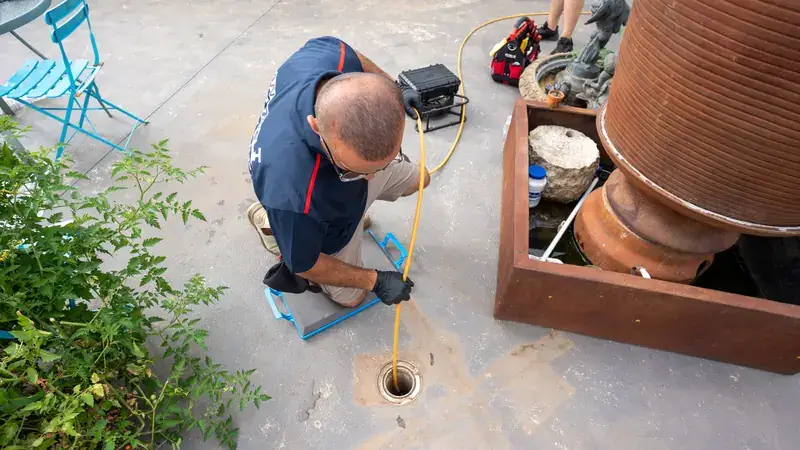
Start with the pattern of blockage
A single slow sink can have a local trap issue; several fixtures backing up may point further down the sewer. Tell the plumber which outlets are affected, what happens when water is used and whether this is the first episode. A camera should answer a question that clearing alone cannot: why does it return, where is the damaged section, or whether a proposed repair matches the pipe condition. Avoid paying for footage without a decision it will inform.
Restore visibility before judging the pipe
Heavy debris, grease or wastewater can hide the wall of a pipe. The attending plumber may need to clear a suitable line before recording it. Sydney Water’s wastewater investigation guide describes checking and clearing private plumbing before responsibility and repairs are resolved. The exact sequence depends on access and safety; a camera cannot make an opaque line transparent by itself.
Ask the operator to identify the route
The recording should start at a named access point and show which direction the camera travelled. A distance counter and electronic locator can help relate a defect to the garden, driveway or floor above. The counter alone may not prove a precise excavation point if the cable has bends or slack. Ask the plumber to explain how the surface mark was confirmed before agreeing to cut concrete or dig near services.
Distinguish a deposit from a structural fault
Grease, silt and an isolated object may be removable. Roots entering an open joint, an offset connection or a crushed section suggest a continuing path for blockage. A clean pipe can still have a defect that catches debris later, so look at the footage after clearing rather than only at the original mass. If visibility is incomplete, the report should say which section could not be inspected rather than implying the whole run is sound.
Use the finding to compare repairs
A localised broken section may allow a targeted repair. Relining is another possible option where the pipe shape, junctions and access suit it. A camera does not automatically make either option appropriate; ask how the proposed method handles the exact fault and whether nearby branches stay open. NSW requires suitable licensing for draining work. Keep the footage with the quote so options can be compared on the same evidence.
Close the inspection with a clear answer
Ask the plumber to identify the material removed, the visible condition, the fault distance and what remains uncertain. A good report says whether the line is now flowing, whether another restriction is suspected and whether repair is recommended now or only if the blockage returns. If the finding is close to a connection boundary, Sydney Water’s blockage guidance explains why fault position matters for responsibility.
Quick check
Quick decision
Has the same drain blocked again, or is a repair being proposed without a located defect?
Frequently asked questions
Does every blocked drain need a camera?
No. A clearable one-off obstruction may not need recorded inspection.
Can the camera see through standing sewage?
Usually not well; flow and visibility may need restoring first.
What can CCTV show?
Visible roots, joints, cracks, deposits and restrictions in the reachable section.
Can it locate a fault underground?
A compatible locator can help relate a camera position to ground level.
Will the camera clear the blockage?
No. Inspection and clearing are separate tasks.
How do I know the footage is my drain?
Ask for the access point, run direction and measured distance to be recorded.
Can a camera inspect every bend?
No. Tight bends or damage can stop the camera.
Do roots mean I must excavate?
Not automatically. The pipe condition and repair options need assessment.
Should I keep a copy of the recording?
Yes, especially when a repair quote relies on it.
What should the report include?
Access, visible condition, fault location, limits and proposed next step.
Conclusion
CCTV is worth booking when the extra evidence changes the next decision. Ask for usable footage, a located finding and a plain explanation of what the plumber can—and cannot—see.
We’re The Carlingford Plumber, operated by Antons Plumbing & Gas. Our Dundas Valley blocked-drain service can help you plan the next step. Call Carlingford Plumber with the history of the blockage and any earlier clearing report.